The Learning Curve
Clay doesn't behave like wood. It has memory. Apply too much pressure and it remembers. Dry it too quickly and it cracks days later. Fire it wrong and years of work turn to rubble.
My father spent the first three years destroying more pieces than he kept. He learned by breaking things. By understanding exactly how and why clay fails.
Most artisans won't tell you about the failure rate. We think it's important. Every piece we sell represents dozens that didn't survive our standards.
Why Mazury
We stayed in this region because of the clay deposits. Mazury sits on sediments left by retreating glaciers. The clay here contains specific minerals that affect its working properties and final appearance.
You can't fake this. A piece made with Mazury clay develops certain color characteristics during firing that don't appear elsewhere. It's not better or worse. Just distinct.
The Workshop Today
We operate from a converted barn outside Giżycko. Three full-time artisans, two wheels, one kiln that took six months to build correctly.
Our production capacity is limited by physics. Clay needs time to dry. Glazes need time to cure. Kilns need time to heat and cool. We can't rush these processes without compromising results.
This means we sometimes have waiting periods for custom orders. It also means every piece gets the time it needs.
What We Don't Do
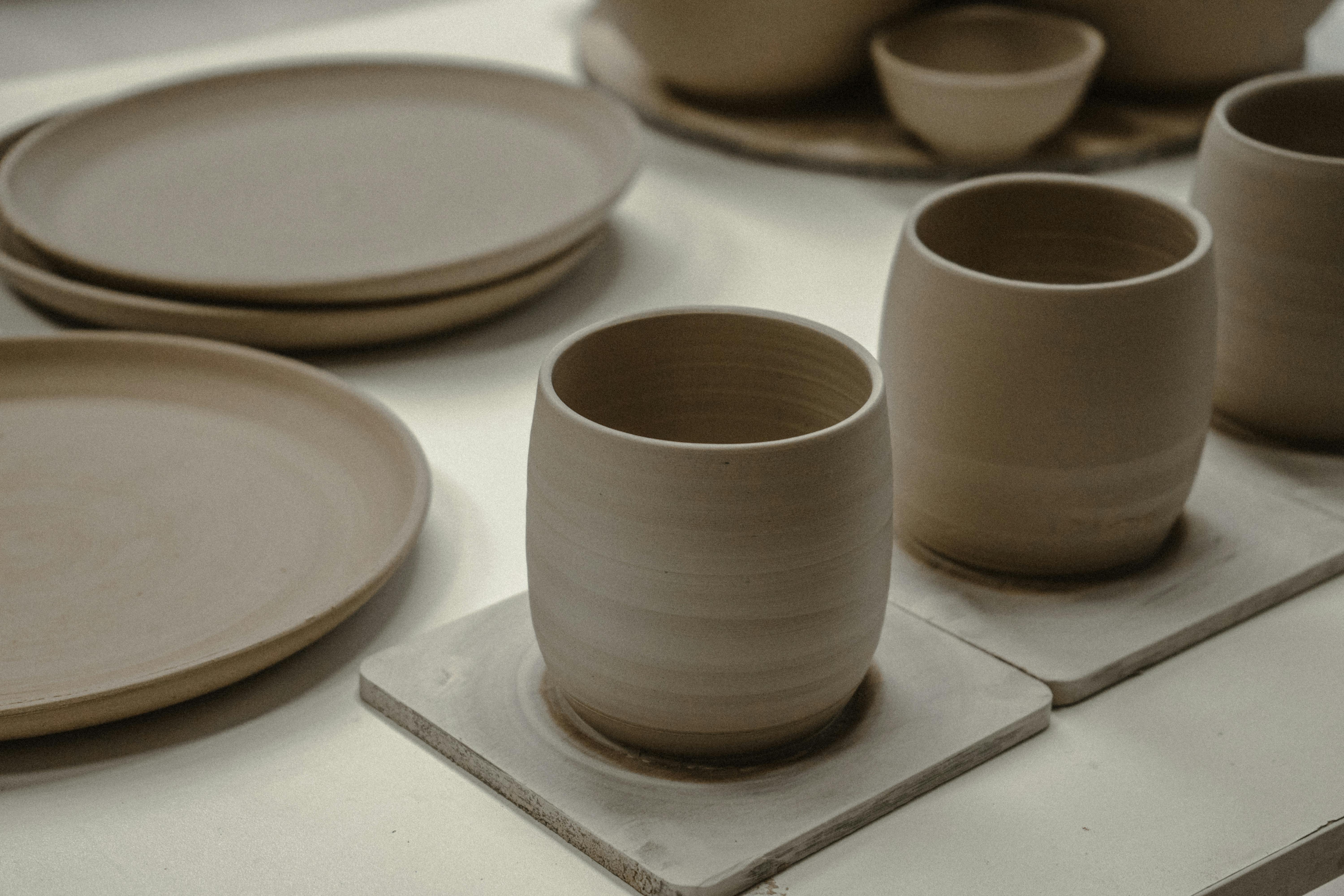
We don't use commercial molds. Every form is thrown on the wheel or hand-built. This makes our pieces slower and more expensive to produce.
We don't use synthetic glazes. Our color palette comes from metal oxides and mineral compounds. The range is narrower but the results age better.
We don't ship internationally. Managing the logistics of fragile items across borders became more complicated than the work itself. We focus on Poland and occasionally neighboring countries.